CO₂ CORROSION AND MATERIALS COMPATIBILITY
CO₂ environments for corrosion research
CO₂ is encountered across oil and gas production, gas processing, pipeline transport and carbon capture and storage. The resulting process environment can range from wet hydrocarbon streams containing salts and dissolved gases to conditioned CO₂ streams containing residual capture related impurities.
Controlled high pressure testing allows researchers to reproduce representative pressure, temperature, composition and flow conditions and assess the corrosion resistance and compatibility of metals, coatings, seals and other materials.
Why CO₂ is present
Different routes into CO₂ service
CO₂ service can create challenging corrosion environments, particularly when water and other impurities are present. The conditions encountered depend heavily on where the CO₂ comes from and how the stream has been processed.
It may occur naturally within an oil and gas production stream, be deliberately injected as part of a production process, be separated during gas processing, or be transported as the principal fluid within a carbon capture and storage network. Each route can produce a different combination of pressure, temperature, water content and impurities that must be considered when defining representative corrosion tests.
Oil and gas production
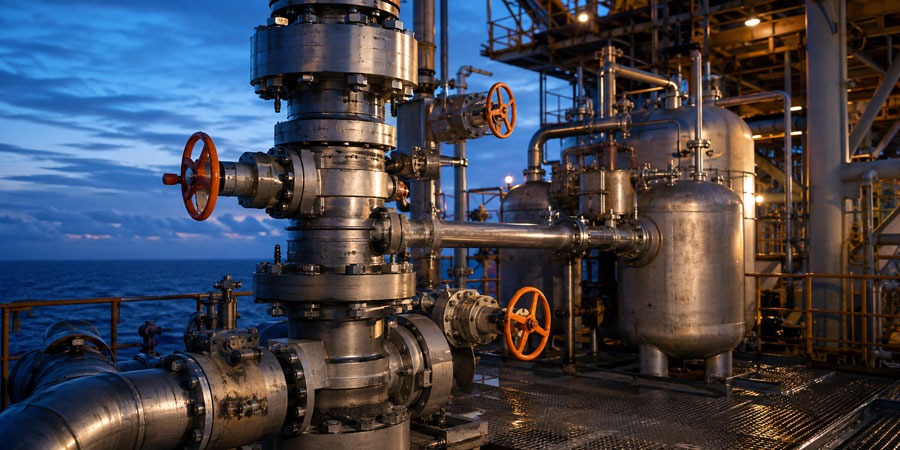
CO₂ occurs naturally in many oil and gas reservoirs and may be present in reservoir gas or dissolved in oil and water naturally present within the reservoir. As these fluids are produced, it travels through wells, production tubing, subsea equipment, flowlines and processing systems.
It may also be injected into oil reservoirs for enhanced oil recovery, with some returning through producing wells as part of the production stream. During gas processing, it may be separated from raw gas before the treated hydrocarbon gas enters transmission.
Oil and gas equipment can therefore encounter CO₂ alongside hydrocarbons, water, dissolved salts, H₂S and production chemicals. Controlled testing helps researchers investigate how these environments affect downhole equipment, pipeline steels, coatings, seals and other production components.
Carbon capture and storage
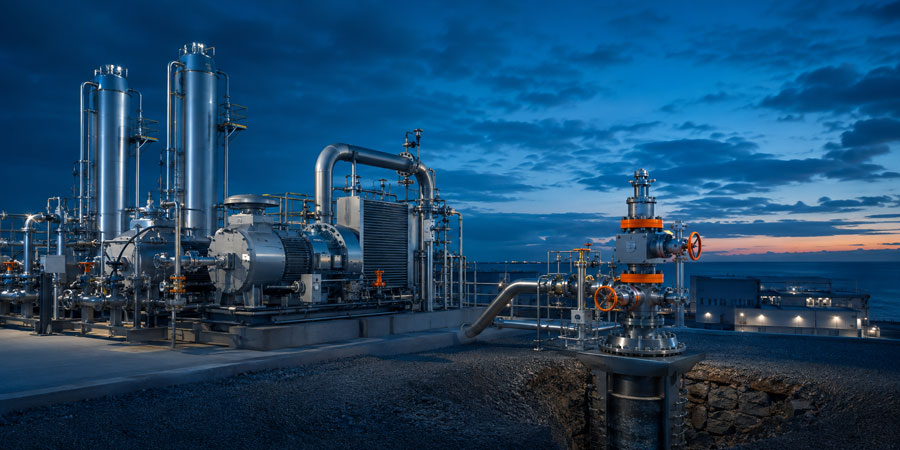
Within carbon capture and storage infrastructure, CO₂ is separated from an industrial process stream, conditioned and compressed before being transported to a storage site and injected into a suitable geological formation.
The transported stream is not necessarily pure CO₂. Its composition depends on the industrial source, capture technology and conditioning process, and may contain residual water, O₂, SO₂, H₂S, NOx and other impurities. These components can influence corrosion behaviour, phase behaviour and material compatibility throughout the transport and injection system.
Controlled testing allows researchers to reproduce representative CO₂ compositions under realistic pressure and temperature conditions and investigate their effects on pipelines, injection equipment, valves, seals, coatings and other materials used during transport and geological storage.
Why the complete composition matters
An interacting corrosion environment
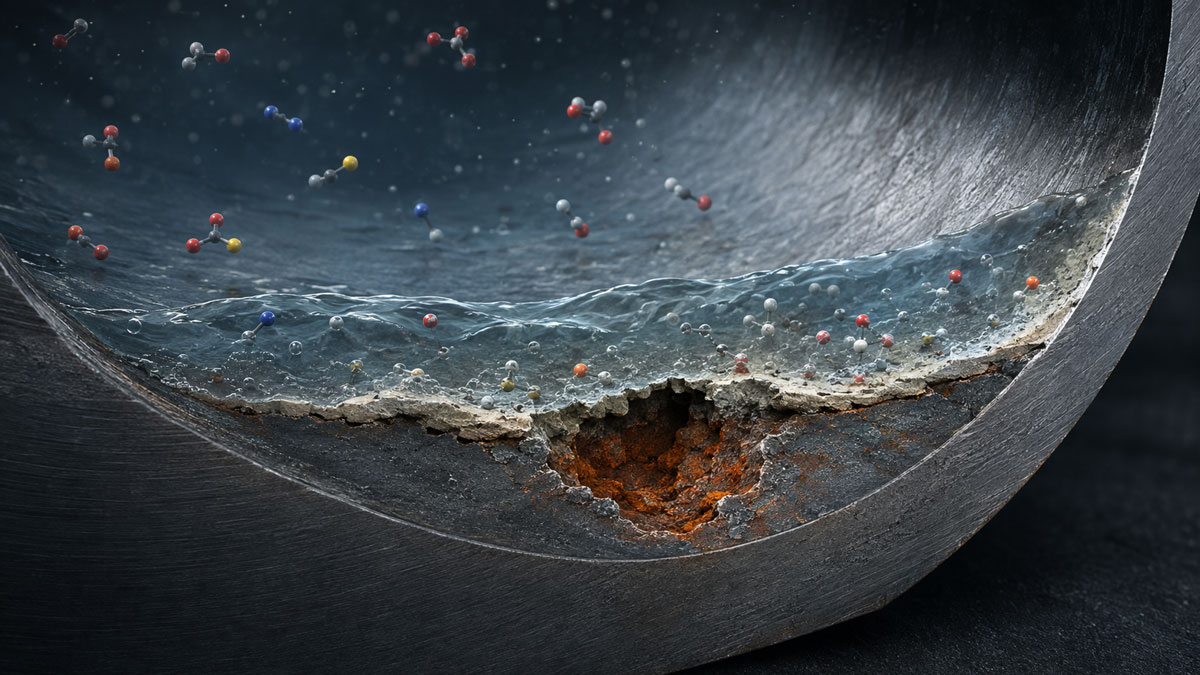
When water is present, dissolved CO₂ forms carbonic acid and creates the conditions for corrosion. Other impurities can make this environment considerably more aggressive.
SO₂ and NO₂ can form additional acids, O₂ can promote oxidation and electrochemical reactions, while H₂S introduces sulphide chemistry. Together, these species can alter corrosion products, disrupt protective iron carbonate layers and increase the risk of localised attack.
The behaviour of the complete mixture can therefore differ significantly from the individual components. Representative testing must consider the CO₂ source, water content and complete stream composition.
Recreating representative test conditions
Pressure, composition and flow must be controlled together
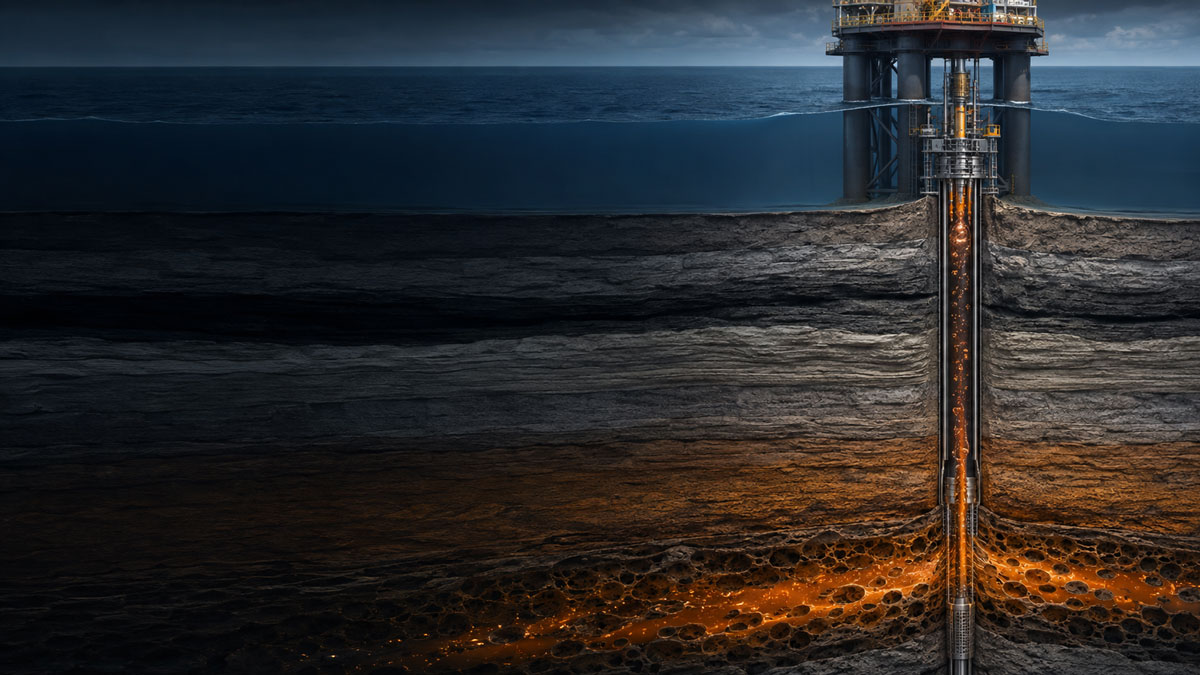
Oil and gas production fluids are pressurised by the reservoir and production system, while CCS streams are compressed for transport and injection. In both applications, pressure and temperature determine the CO₂ phase and density and influence the behaviour of water and other components within the stream.
Reaching the required pressure is only one part of recreating a representative environment. Water content, impurity composition, temperature and exposure conditions must also reflect the process being studied.
How these conditions are reproduced depends on the research objective. A defined mixture may be held at pressure for static exposure testing, or CO₂ and individual impurities may be continuously supplied to reproduce a controlled flowing environment. These different approaches allow researchers to investigate both established and changing process conditions.
Controlled CO₂ delivery for your test method
Control the incoming stream. Keep your test arrangement.
Core Separations provides the equipment required to pressurise, condition and deliver CO₂ to customer supplied corrosion and materials compatibility equipment.
Our systems can integrate with static exposure cells, corrosion coupon holders, electrochemical test cells, continuous flow cells, flow loops and inlet or outlet gas analysers. Customers retain control over the test cell, sample arrangement and corrosion measurement technique.
Two equipment routes are available depending on how the test environment needs to be created.
Need Static CO2 testing?
Why not explore our Pressure mode?
Need Continuous CO₂ Flow?
Explore Dosing Of Multiple Impurities

CORE | CO₂ pump
When the primary requirement is accurate CO₂ delivery into an existing conditioning, blending or testing system.
CORE | CO₂ pump
When the primary requirement is accurate CO₂ delivery into an existing conditioning, blending or testing system.

CORE | CDS
When the experiment requires controlled water content, impurity dosing, high pressure blending and continuous delivery of a defined CO₂ stream.
CORE | CDS
When the experiment requires controlled water content, impurity dosing, high pressure blending and continuous delivery of a defined CO₂ stream.